Carpet cleaning tips for IG6 Victorian terrace homes
Victorian terrace homes in IG6 have a character all their own: narrow hallways, stair runners that take a beating, old fireplaces, tucked-away bedrooms, and carpets that seem to collect dust from every corner of the house. If you live in one, you already know the challenge. Carpet cleaning tips for IG6 Victorian terrace homes need to be a bit smarter than the average advice, because older properties often have mixed carpet types, awkward access, and a few hidden quirks that modern homes simply do not have.
This guide walks you through the practical, real-world stuff: what to clean first, how to avoid damaging older carpet fibres, how to deal with traffic lanes and pet smells, and when it makes sense to call in a professional. You will also find a simple checklist, a comparison of cleaning methods, and a few trust-building points to help you choose the right approach without overthinking it. Let's face it, nobody wants to spend a Sunday afternoon scrubbing the same stain twice.
Key takeaway: in Victorian terrace homes, the best carpet cleaning results usually come from gentle preparation, careful moisture control, and treating stairs, hallways, and high-traffic rooms as separate cleaning jobs rather than one big task.
Why carpet cleaning matters in IG6 Victorian terrace homes
Victorian terrace homes have a different rhythm to newer builds. Rooms are often smaller, ceilings are higher, and carpets get more concentrated wear in the same walkways day after day. In IG6, where family life, school runs, wet shoes, and busy schedules all meet in one house, carpets can trap grit fast. That grit acts like sandpaper underfoot, which means fibres flatten sooner and dirt becomes harder to remove later.
There is also the structure of the home itself. Stairs, landings, bay windows, and front receptions often create sharp changes in light, so marks show more clearly. A patch of dull carpet by the sofa may not look dramatic at first, but in a Victorian terrace it can make the whole room feel tired. A clean carpet, by contrast, gives the property a calmer feel. Softer. Fresher. More cared for.
And there is a practical side that people sometimes miss. Older homes often have a mix of carpet ages, underlay types, and repair histories. One room may have wool, another synthetic, and the stair runner may be stretched tighter than you expect. That means cleaning has to be thoughtful, not aggressive. A bit of patience saves a lot of trouble later.
How carpet cleaning works in older terrace properties
At its simplest, carpet cleaning removes soil, spills, oils, and allergens from the pile and backing of the carpet. But in a Victorian terrace, how you clean matters just as much as what you clean with. The key is controlling moisture, agitation, and drying time so the carpet comes up clean without leaving the room damp for too long.
Most effective carpet cleaning follows four stages:
- Inspection: check the fibre type, visible stains, worn areas, and any signs of loose seams or fraying.
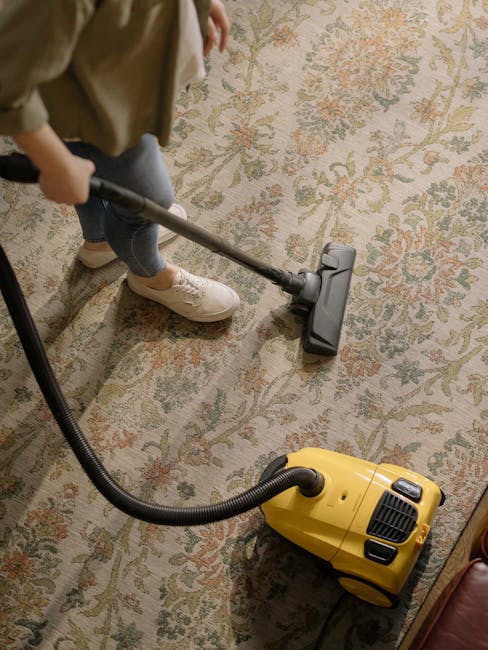
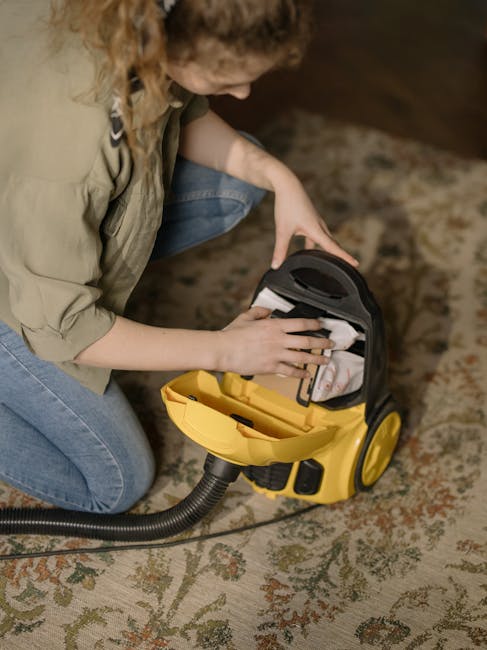
- Dry soil removal: vacuum thoroughly to lift grit before any liquid is used.
- Targeted treatment: pre-treat spots, traffic lanes, and odours with the right product and contact time.
- Deep cleaning and drying: use the most suitable cleaning method, then extract moisture efficiently and ventilate the space well.
For older terrace homes, that first inspection really matters. If the carpet is wool, for example, it may respond better to low-moisture methods and gentle detergents. Synthetic carpets can usually tolerate a broader range of cleaning techniques, but even then too much water can cause browning, shrinkage, or a slow dry that leaves the room feeling stuffy for hours. Nobody wants that smell of wet carpet hanging around until the next morning.
If you are comparing professional options, the steam carpet cleaning service can be useful where deeper extraction is needed, while broader care for the whole home can sit alongside carpet cleaning more generally. For homes with mixed soft furnishings, it may also make sense to look at upholstery cleaning or sofa cleaning at the same time, because dust and stains tend to travel between fabrics. Funny how that works, isn't it?
Key benefits and practical advantages
There are obvious benefits to clean carpets, but in Victorian terrace homes the gains are a bit more specific. You are not just improving appearance. You are protecting the fabric of the home and making daily life easier.
- Cleaner-looking rooms: traffic lanes in hallways and living rooms become less obvious.
- Better indoor freshness: stale odours from shoes, cooking, pets, and general living are reduced.
- Longer carpet life: removing abrasive grit helps fibres stand up for longer.
- More comfortable stairs: stair carpets often benefit the most because they take constant use.
- Better feel underfoot: carpets regain softness when compacted dirt is removed.
- Improved property presentation: useful if you are hosting, letting, or thinking about selling.
There is also a time-saving benefit. A properly cleaned carpet is easier to maintain between deep cleans because dust and crumbs do not cling as stubbornly. You vacuum faster, you spot fewer dull patches, and you are less likely to chase the same stain over and over with different products.
For households with pets, the improvement can be especially noticeable. Odours tend to settle into older fibres and underlay. If that is an issue, a dedicated pet stain odour removal approach is often more effective than a general clean alone.
Who this is for and when it makes sense
This advice is useful for homeowners, tenants, landlords, and anyone maintaining a Victorian terrace in IG6. It is especially relevant if your home has one or more of the following:
- high-traffic hallway carpets
- stairs with a runner or fitted carpet
- wool or wool-blend flooring
- older underlay or patch repairs
- pets, children, or frequent visitors
- stains from tea, coffee, muddy shoes, or food spills
- a musty smell after damp weather
It also makes sense to follow these tips if you are trying to stretch the time between professional cleans without letting the carpet deteriorate. To be fair, that is most people. Not every stain needs a panic response. Some need a calm plan and the right cloth.
If your carpets are heavily soiled, have repeated staining, or look uneven after vacuuming and spot cleaning, you may be beyond basic home care. At that point, specialist help can save both time and frustration. If you are working out budget and expectations, it may be worth reviewing pricing and quotes alongside the service details, so you know what kind of result you are paying for.
Step-by-step guidance
Here is a practical cleaning process that works well in most IG6 Victorian terrace homes. It keeps the focus on control, not brute force.
1. Open windows and clear the room
Start by removing small furniture, toys, mats, and anything else that will get in the way. Victorian terraces can feel cramped when a room is full of furniture, and the cleaning becomes much harder if you are constantly working around a chair leg or book stack. Open the windows if the weather allows. Fresh air helps the room dry properly afterwards.
2. Vacuum thoroughly and slowly
Do not rush this part. Vacuum in overlapping passes, especially along skirting boards, under furniture edges, and on the stairs. In older homes, dust collects in odd little places, and if you skip vacuuming properly you only turn dry dirt into wet dirt. That is not progress. It just moves the problem around.
3. Test any product first
Always test on a hidden area, particularly with wool or antique-looking carpet. Check for colour transfer, fibre distortion, or residue. If you see anything odd, stop. Better to pause for ten minutes than spend the rest of the afternoon making things worse.
4. Pre-treat the worst areas
Use a suitable spot treatment on stains and traffic lanes. Let it sit for the recommended time rather than scrubbing immediately. That little pause gives the cleaner time to break down the soil. Rushing this stage is one of the easiest ways to waste effort.
5. Clean in sections
Work room by room or, better still, zone by zone. Hallway first, then reception room, then stairs, then bedrooms. Victorian terraces often have mixed levels of wear, so cleaning everything at once can lead to uneven drying or missed patches. Small sections are easier to manage and more satisfying too.
6. Extract moisture properly
The extraction stage matters more than many people realise. Whether you are using a home machine or arranging professional help, the goal is to remove as much water as possible without saturating the carpet. Too much moisture can lead to long drying times and an unpleasant feel underfoot.
7. Dry with purpose
Use airflow. Keep windows open where safe, turn on heating moderately if needed, and avoid walking on the carpet until it is properly dry. In narrow Victorian staircases, drying can be slightly slower because air circulation is uneven. A small fan can help, but don't blast the carpet aggressively. Gentle and steady usually wins.
8. Finish with a final check
Once dry, inspect the carpet from different angles and in daylight if possible. You may notice faint marks that were hidden while the fibres were still damp. If necessary, spot-treat again rather than repeating the whole process. Sometimes the best result comes in two calm passes, not one heroic one.
Expert tips for better results
Here are the little things that often separate a decent clean from a really good one.
- Vacuum twice before deep cleaning: once in one direction, then again across the pile.
- Use towels before liquids: blot fresh spills immediately so they do not sink deeper.
- Mind the pile direction: a carpet can look cleaner just by grooming the fibres the right way.
- Keep stair edges dry: stair carpet wears quickly at the nosing, so avoid soaking that area.
- Focus on entrance zones: front rooms and hallways usually need more attention than bedrooms.
- Choose low-residue products: heavy residue attracts dirt fast, which is a bit of a trap.
If you have curtains close to the carpet, dust can move between them during cleaning and vacuuming. In that case, pairing the job with curtain cleaning or an occasional rug cleaning can make the whole room feel more balanced. Not glamorous, maybe, but very effective.
Small detail, big difference: in the afternoon light that falls into many Victorian terraces, even a slightly matted carpet can look duller than it really is. Grooming the pile after cleaning often gives a noticeably fresher finish. It sounds minor. It is not.
Common mistakes to avoid
Most carpet damage happens because someone is trying too hard, too fast. That is especially true in older houses.
- Using too much water: this can lead to slow drying, odours, and fibre distortion.
- Scrubbing stains aggressively: it spreads the mark and can rough up the pile.
- Skipping the vacuum stage: grit left behind turns to slurry once wet.
- Using the wrong product for wool: some cleaners are simply too harsh.
- Ignoring underlay issues: a stain may look like a carpet problem when it has actually reached deeper layers.
- Walking on damp carpet with shoes: this brings dirt straight back in. A classic own goal.
- Not checking for shrinkage risk: older carpets may respond differently to heat and moisture.
Another common mistake is trying to remove every stain with a different bottle from the cupboard. One stain, one method, one test spot. That is the cleaner approach. If the stain is old, set in, or oily, a targeted stain removal treatment is usually more sensible than random experimentation.
Tools, resources and recommendations
You do not need a cupboard full of gadgets, but the right tools make a noticeable difference.
| Tool or resource | What it helps with | Best use in a Victorian terrace |
|---|---|---|
| Upright vacuum with attachments | Dry soil removal, edges, stairs | Useful for hallways, landings, and stair runners |
| Microfibre cloths | Blotting spills and lifting residue | Good for quick reaction to fresh marks |
| Soft-bristle brush | Gentle agitation before extraction | Helpful on traffic lanes and textured pile |
| Fan or airflow aid | Faster drying | Very useful in narrow rooms with limited ventilation |
| Spot-safe carpet cleaner | Local stain treatment | Best used after testing on an inconspicuous patch |
If your home has cushions, chairs, or fabric-heavy living room furniture, you may want to look beyond carpets alone. The room will feel cleaner overall if the soft furnishings are treated together. That is why services such as upholstery cleaning and sofa cleaning often complement carpet care nicely.
For households that prefer a broader maintenance plan, it can also help to review company information such as about us, insurance and safety, and health and safety policy. Those pages are useful when you want to understand how a provider handles risk, access, and professional standards before booking anything.
Law, compliance, standards, or best practice
For most homeowners, carpet cleaning is not a heavily regulated process in the way that building work or electrical work can be. Still, good practice matters. If you are hiring a professional cleaner, you should expect sensible safety procedures, clear pricing, and responsible handling of cleaning products. You should also expect your home to be treated carefully, especially on stairs and around older finishes.
In practical terms, that means a few things:
- cleaners should know how to work safely around electrical sockets and appliances
- products should be used according to label guidance
- water should not be left pooling on wood floors or against skirting
- the job should be explained clearly, including drying expectations
- any concerns about access, pets, or fragile furnishings should be discussed up front
If you are comparing providers, it is reasonable to check whether they explain payment terms clearly, how they protect customer details, and what their complaints process looks like. You can usually assess that through pages like payment and security, privacy policy, and complaints procedure. That is not red tape for its own sake. It is part of a trustworthy service.
Useful standard of judgement: if a cleaning approach seems rushed, overly wet, or vague about results, it probably is. Good carpet care should feel measured and transparent.
Options, methods, or comparison table
Different carpets and different rooms benefit from different methods. Victorian terraces, with their mix of stairs, front rooms, and often older fibres, are not one-size-fits-all.
| Method | Best for | Pros | Watch-outs |
|---|---|---|---|
| Vacuuming and spot cleaning | Routine maintenance | Quick, cheap, good for daily care | Won't remove deep soil or heavy staining |
| Low-moisture cleaning | Delicate fibres, faster drying needs | Less damp, often gentler on older carpets | May not suit heavy soiling |
| Steam/extraction cleaning | Embedded dirt, traffic lanes, odours | Deep clean, strong all-round result | Needs careful drying and correct technique |
| Specialist stain treatment | Tea, wine, pet marks, grease | Targets problem spots effectively | Requires correct product choice and testing |
For many IG6 Victorian terrace homes, the smartest option is actually a combination. Routine vacuuming, spot treatment for fresh stains, and a periodic professional deep clean. Simple enough, but that simple plan works.
Case study or real-world example
Picture a typical two-up, two-down Victorian terrace in IG6 with a narrow hallway, a stair runner, and a front reception room used every day. The hallway has the worst of the dirt because shoes come straight in from outdoors. The stairs show a dark lane in the centre where feet land repeatedly. The front room, meanwhile, has a faint mark near the sofa from a spilt cup of tea and a slightly musty smell after a damp week.
In a situation like that, the best cleaning sequence is usually hallway first, then stairs, then the front room. Why? Because the hall carries the heaviest grit and can contaminate cleaner areas if you leave it until last. Stairs need careful hand work because the edges and nosings dry differently. The front room benefits from targeted stain treatment and better ventilation once the more practical zones are finished.
In real life, this kind of clean often changes how the whole home feels. The carpet stops looking tired at the entrance. The stairs appear brighter in daylight. The room smells less closed-in. Nothing dramatic, but enough to make you notice when you walk in from the street. That small "ah, that's better" moment is usually the point.
Practical checklist
Use this before you start:
- Vacuum the carpet thoroughly, including edges and stairs.
- Check the fibre type if you know it, especially wool or wool-blend.
- Test any cleaner on a hidden area first.
- Blot fresh stains instead of rubbing them.
- Pre-treat traffic lanes and visible spots.
- Keep water use controlled, not excessive.
- Allow for good airflow during drying.
- Keep shoes off damp carpet.
- Inspect the carpet once it is fully dry.
- Book a deeper clean if stains keep returning or odours persist.
Quick practical summary: the cleanest-looking Victorian terrace carpets are usually the ones cared for little and often, rather than attacked once a year in a rush.
Conclusion
Carpet cleaning in IG6 Victorian terrace homes is really about respect for the space. These houses have history, character, and a few cleaning quirks that reward a thoughtful approach. If you prepare properly, use the right method for the fibre, and keep moisture under control, you can get excellent results without overcomplicating things.
The main thing is to treat hallways, stairs, and living rooms as separate priorities, because that is where the wear builds up fastest. Add in sensible spot treatment, good airflow, and an occasional deeper clean, and your carpets will stay fresher for longer. Nice and straightforward, really.
If you are weighing up whether to handle it yourself or bring in help, take a calm look at the condition of the carpet, the type of fibres, and how much time you want to spend on drying and detail. For many homes, a professional clean after the right preparation gives the most reliable finish.
Get a free quote today and see how much you can save.
Frequently Asked Questions
How often should carpets be cleaned in a Victorian terrace home?
For most homes, regular vacuuming should happen weekly, with deeper cleaning as needed based on traffic, pets, and spills. Hallways and stairs often need attention sooner than bedrooms because they collect more grit.
Is steam cleaning safe for older carpet fibres?
It can be, but only if the carpet type and condition are suitable. Wool and older carpets need careful handling, controlled moisture, and proper drying. A test patch is always sensible.
What is the best way to clean stair carpets in IG6 terrace homes?
Stairs are best cleaned in small sections with careful vacuuming, targeted pre-treatment, and controlled moisture. The nosing and edges need extra care because they wear fastest and can dry unevenly.
Why do carpets in Victorian terraces get dirty so quickly?
Older layouts often concentrate foot traffic in the same paths. Narrow halls, front entrances, and stairs all gather grit, and that grit gets worked deeper into the pile every day.
Can I use supermarket carpet cleaner on wool carpet?
Not automatically. Some off-the-shelf products are too harsh for wool or can leave residue. Always check the label and test in a hidden area first.
How do I get rid of pet smells in carpet?
Start with proper blotting and cleaning of the affected area, but if the smell has settled into the underlay, a more targeted treatment is often needed. Pet issues can be stubborn, honestly.
What should I do before a professional carpet clean?
Move small items, vacuum thoroughly, point out stains, and mention any fragile areas or repairs. If you have pets, tell the cleaner where they have had accidents so treatment can be focused properly.
How long should carpets take to dry after cleaning?
Drying time depends on fibre type, humidity, airflow, and how much moisture was used. Good ventilation makes a big difference. If the room still feels damp for too long, too much water may have been used.
Are rented Victorian terrace carpets treated any differently?
Usually the practical approach is the same, but it is smart to check your tenancy terms and protect the carpet from damage. Keep receipts or notes if you are cleaning before moving out, just in case.
What causes brown marks after cleaning?
Brown marks can appear when moisture draws dirt or backing residues upward as the carpet dries. This is one reason extraction and drying technique matter so much in older homes.
Can I clean carpets in winter?
Yes, and many people do. You just need to think more carefully about airflow and heating because winter drying can be slower. A little planning saves a lot of waiting around.
When should I stop DIY cleaning and call a professional?
If stains keep returning, the carpet smells musty after cleaning, the fibres look damaged, or the room takes ages to dry, it is time to step back. Some jobs are simply better handled with specialist equipment and experience.
For extra peace of mind when choosing a provider, you can also review terms and conditions and recycling and sustainability to understand how the company works and how it approaches responsible service. Small details, yes, but they tell you a lot.
And that is really the heart of it: a well-kept carpet does more than look clean. It makes the whole house feel easier to live in, which is worth a lot on a damp London evening when you come in, kick off your shoes, and breathe out.